To many, Dubai is a city of extremes: futuristic architecture rising from the desert, luxury hotels, artificial islands and record-breaking landmarks. Yet this global metropolis did not emerge overnight. Beneath the glass, steel and ambition lies a city shaped by desert survival, maritime trade and deeply rooted traditions. Dubai is not a city that abandoned its past — it is one that built its future upon it.
From Desert Settlement to Trading Crossroads

Long before skyscrapers defined its horizon, Dubai was a small but vital settlement along Dubai Creek. Life revolved around fishing, pearl diving and regional trade. Wooden dhows carried dates, spices and textiles between Arabia, Persia, India and East Africa, placing Dubai at the heart of ancient trade routes.
The discovery of oil in the 20th century accelerated development, but Dubai’s leadership made a strategic decision: oil would be a catalyst, not a dependency. Investment shifted towards infrastructure, trade, tourism, aviation and culture — laying the groundwork for one of the world’s most dynamic cities.
Old Dubai: Memory, Craft and Community
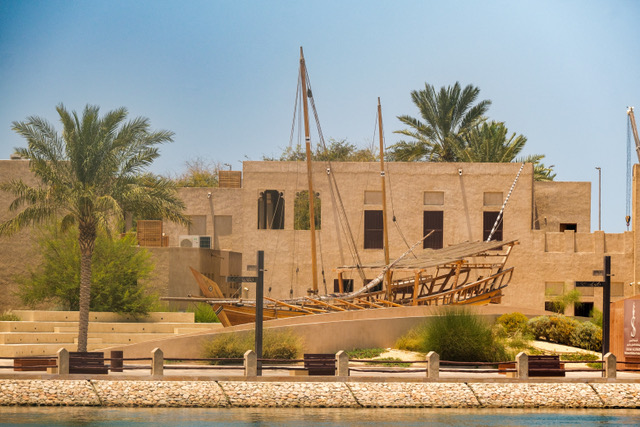
To truly understand Dubai, one must slow down in its historic quarters. The Al Fahidi Historical Neighborhood (also known as Al Bastakiya) reveals how people lived before modern comforts. Coral stone houses, shaded courtyards and wind towers reflect architectural ingenuity in an unforgiving climate.
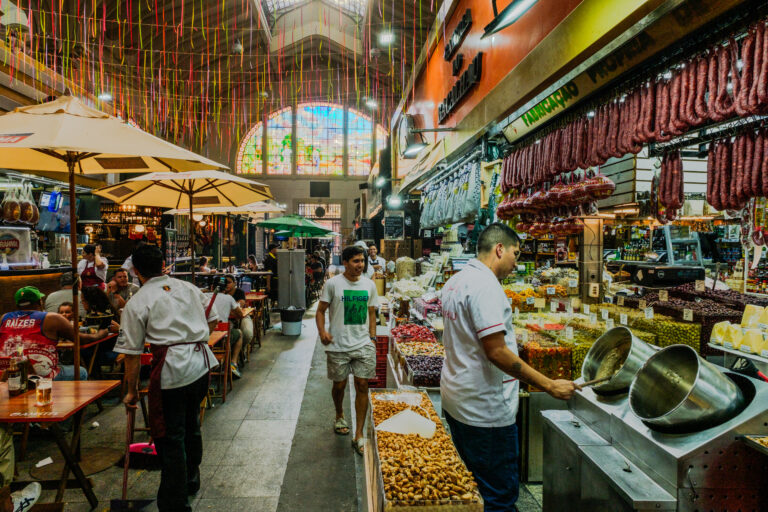
Across the creek, Deira’s traditional souks remain the city’s beating heart. Gold, spices and textiles are traded much as they were centuries ago. The rhythm of bargaining, the scent of cardamom and saffron, and the hum of conversation reflect a culture built on exchange and trust.
Modern Dubai: Vision Turned into Reality
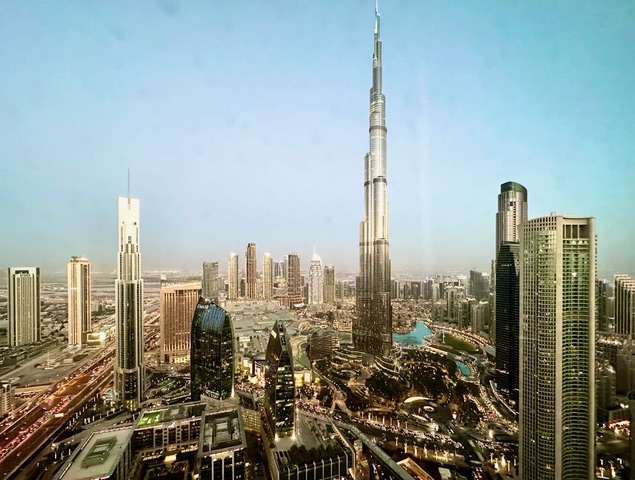
Modern Dubai is a declaration of confidence. Landmarks such as the Burj Khalifa and the Museum of the Future symbolize more than engineering — they represent a national vision focused on innovation and global relevance.
Districts like Downtown Dubai, Dubai Marina and Palm Jumeirah are home to a cosmopolitan population, where global lifestyles blend seamlessly with regional customs. Despite the modernity, tradition remains present — from Arabic design elements to the ritual offering of coffee and dates as a gesture of hospitality.
Dubai within the United Arab Emirates
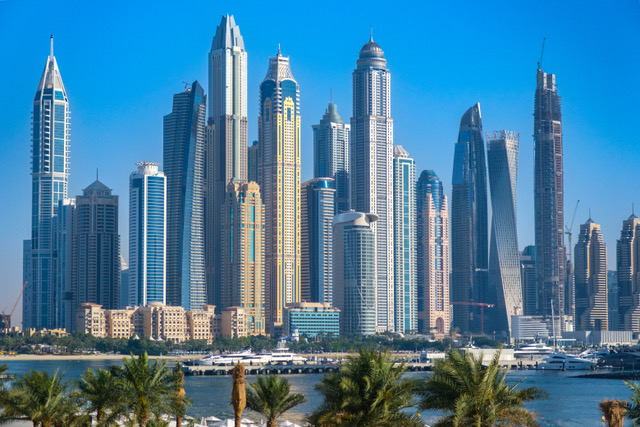
Dubai is one of seven emirates that form the United Arab Emirates, alongside Abu Dhabi, Sharjah and others. Each emirate retains its own identity, while sharing a common heritage rooted in Bedouin culture, Islam and tribal history.
Within the UAE, Dubai plays the role of global connector and innovator, complementing Abu Dhabi’s political and cultural leadership. This balance between unity and individuality mirrors the broader Emirati philosophy: progress without losing cultural grounding.
Culture, Faith and Social Balance
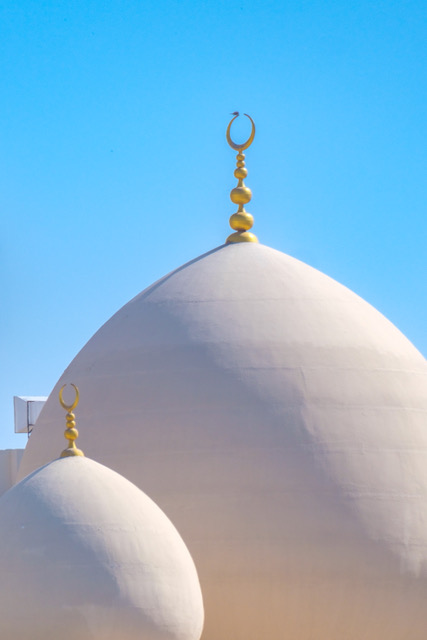
Islam shapes daily life in Dubai, structuring time, ethics and social values. Mosques are woven into the urban fabric, and principles such as generosity, respect and family loyalty remain central. At the same time, Dubai is home to one of the most diverse populations on earth, with expatriates forming the majority of residents.
This diversity functions through mutual respect: openness to the world paired with clear appreciation of local customs and laws. It is this balance that allows Dubai to be both deeply Emirati and unmistakably global.
A City Built on Continuity
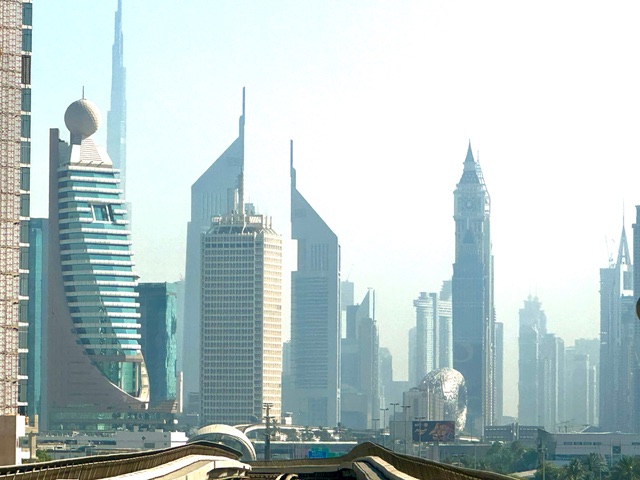
Dubai’s true identity lies not in choosing between old and new, but in allowing them to coexist. A traditional dhow gliding past a skyline of glass, a family recipe served in a modern restaurant, a heritage district thriving beside futuristic architecture — these contrasts define the city.
Dubai is not simply a destination of spectacle. It is a living archive of resilience, ambition and flavour — a place where history, culture and cuisine continue to shape one another in the desert light.
Culinary Heritage:
Flavours of the Desert and the Sea
Dubai’s culinary heritage reflects its geography and history. Traditional Emirati cuisine is shaped by scarcity, trade and hospitality. Dishes such as machboos (spiced rice with meat or fish), harees (slow-cooked wheat and meat), and thareed (bread stew) tell stories of communal eating and endurance.
Dates, saffron, dried limes and cardamom are essential ingredients — echoes of ancient trade routes. The serving of Arabic coffee (gahwa) with dates remains a powerful symbol of welcome and respect.
Today, Dubai’s food scene bridges past and present. Alongside luxury restaurants and global cuisines, traditional Emirati food is increasingly celebrated, preserved and reinterpreted — reclaiming its place in the city’s cultural narrative.
DUBAI DISHES: Click here for some typical recipes from the Dubai culinary heritage


Dubai dishes & recipes
Machboos (Emirati Spiced Rice with Chicken or Fish)

Machboos is the most iconic rice dish of Dubai. Its flavour profile reflects centuries of trade between Arabia, India and East Africa.
Ingredients (4–6 servings)
- 500 g chicken pieces or firm white fish
- 400 g basmati rice, rinsed
- 2 onions, finely sliced
- 3 cloves garlic, minced
- 2 tomatoes, chopped
- 2 dried limes (loomi), pierced
- 1 tsp ground turmeric
- 1 tsp ground cumin
- 1 tsp ground coriander
- ½ tsp cinnamon
- 4 cardamom pods, lightly crushed
- 2 tbsp vegetable oil
- Salt to taste
- 750 ml water or light stock
Method
- Heat oil in a heavy pan and sauté onions until golden.
- Add garlic and spices; cook briefly until aromatic.
- Add chicken (or fish later, if using fish) and brown lightly.
- Stir in tomatoes, dried limes and water. Simmer 30 minutes.
- Add rice, season with salt, cover and cook gently until rice is tender.
- If using fish, place it on top during the last 10 minutes.
Serve with yoghurt, cucumber salad or fresh herbs.
Harees (Slow-Cooked Wheat and Meat)

Harees is a dish of patience and community, traditionally served during Ramadan and festive gatherings.
Ingredients (6 servings)
- 250 g whole wheat (soaked overnight)
- 600 g chicken or lamb
- 2 litres water
- 1½ tsp salt
- 50 g clarified butter (samna)
- Optional: cinnamon for garnish
Method
- Combine wheat, meat and water in a large pot.
- Bring to a boil, then simmer gently for 2–3 hours.
- Stir occasionally until the mixture becomes smooth and creamy.
- Lightly mash with a wooden spoon or stick blender.
- Serve hot, topped with melted butter and optional cinnamon.
Texture is key: thick, velvety and comforting.
Thareed (Emirati Bread and Meat Stew)

Often called “the lasagne of the desert”, Thareed combines bread, stew and shared eating.
Ingredients (4–5 servings)
- 500 g lamb or chicken
- 2 onions, chopped
- 2 tomatoes, chopped
- 2 potatoes, cubed
- 2 carrots, sliced
- 1 tsp ground cumin
- 1 tsp coriander
- ½ tsp turmeric
- Salt to taste
- 750 ml water
- Thin flatbread (raqaq or khubz), torn into pieces
Method
- Brown meat with onions and spices.
- Add vegetables and water; simmer 45–60 minutes until tender.
- Place torn bread in a large serving dish.
- Ladle hot stew over bread, allowing it to soak fully.
Traditionally eaten by hand, from a shared platter.
Luqaimat (Sweet Emirati Dumplings)

These golden dumplings are a staple during Ramadan and celebrations.
Ingredients (20–25 pieces)
- 250 g plain flour
- 1 tsp instant yeast
- 1 tsp sugar
- ½ tsp ground cardamom
- 200 ml warm water
- Vegetable oil for frying
- Date syrup (dibs) or honey
- Toasted sesame seeds
Method
- Mix flour, yeast, sugar and cardamom.
- Add water to form a thick, sticky batter.
- Let rise 45 minutes until bubbly.
- Fry spoonfuls in hot oil until golden.
- Drain and drizzle generously with syrup; sprinkle sesame.
Crisp outside, soft inside — serve warm.
Gahwa (Emirati Arabic Coffee)
More than a drink, gahwa is a ritual of respect and hospitality.
Ingredients (4 small cups)
- 2 tbsp lightly roasted Arabic coffee
- 1 litre water
- ½ tsp ground cardamom
- Optional: pinch of saffron
Method
- Bring water to a boil and add coffee.
- Simmer gently for 10 minutes.
- Add cardamom (and saffron if used).
- Strain and serve unsweetened in small cups.
Always served with dates, never sugar.