A living museum of culinary heritage
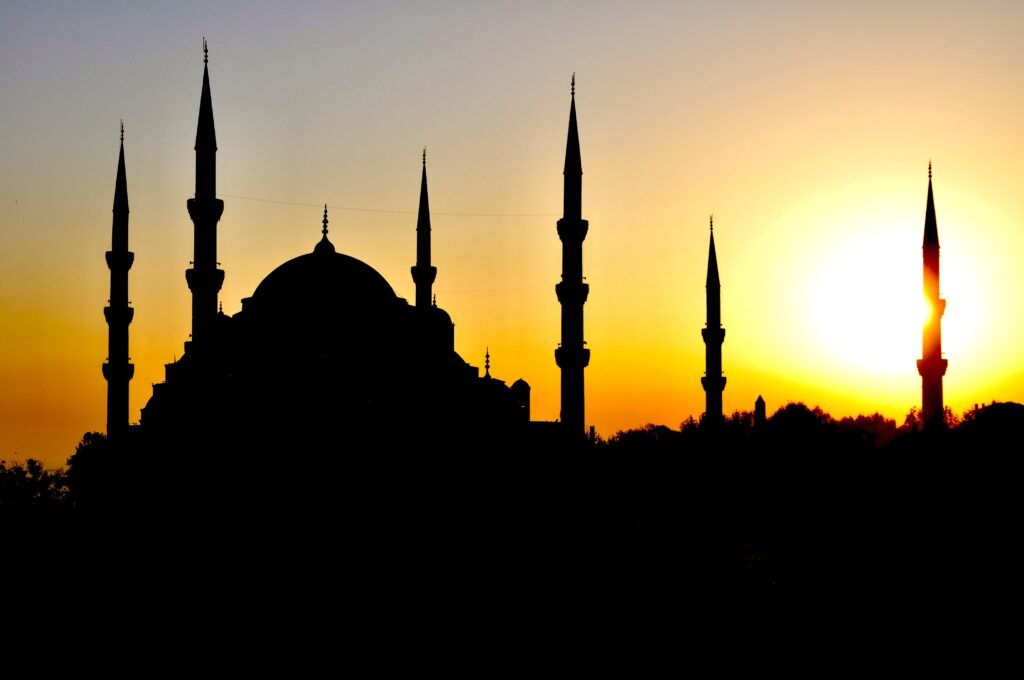
I visited Istanbul for the first time in 2012. I walked from one sight to the next and, as a tourist, immersed myself in the city. With so much history within easy reach, I had to make choices to keep track of it all.
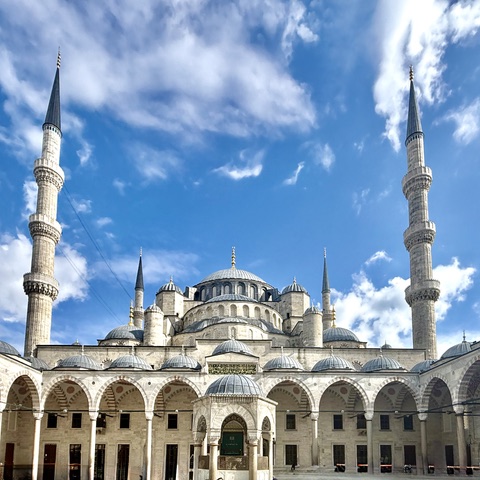
We’d chosen a little hotel in the old town. The iconic mosques, Topkapı, the Grand Bazaar, the Galata Bridge and Tower were all within walking distance. At the Spice Bazaar, I bought my first serious badge of Iranian saffron. I’m sure I paid too much, even after bargaining, although the same amount would probably have been even more expensive back home.
We sampled lokum (Turkish delight) and baklava, and ordered testi kebabı on a tourist terrace near the Blue Mosque. The waiter made quite a show of it: he smashed open the earthenware jug and poured the meat dish onto our plates. We thought it was marvellous and felt as though we were completely immersed in Turkey.
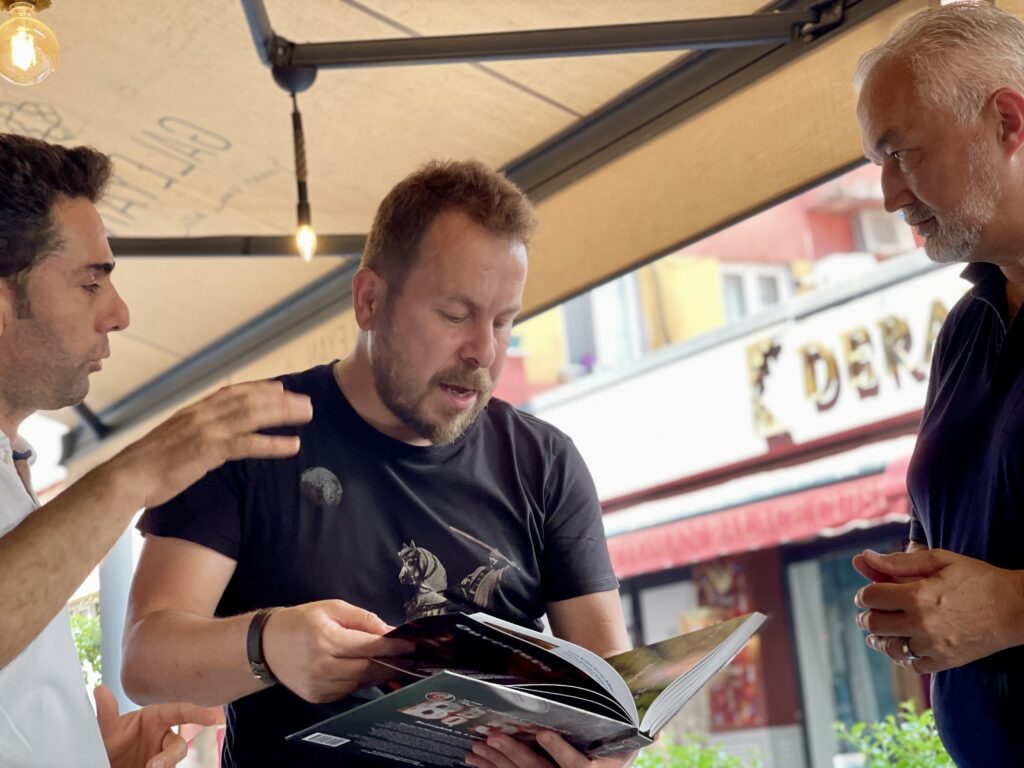
In 2021 we returned, this time with a different goal. That year, I’d started Culin-Air Travel to develop travel programmes centred on international culinary heritage. During a trip through Turkey, we sampled the flavours of Anatolia in Tokat, Cappadocia, Ephesus, Izmir and Pamukkale. We finished with a few extra days in Istanbul. There, I met Yunus Emre Akkor, head chef at Galeyan.
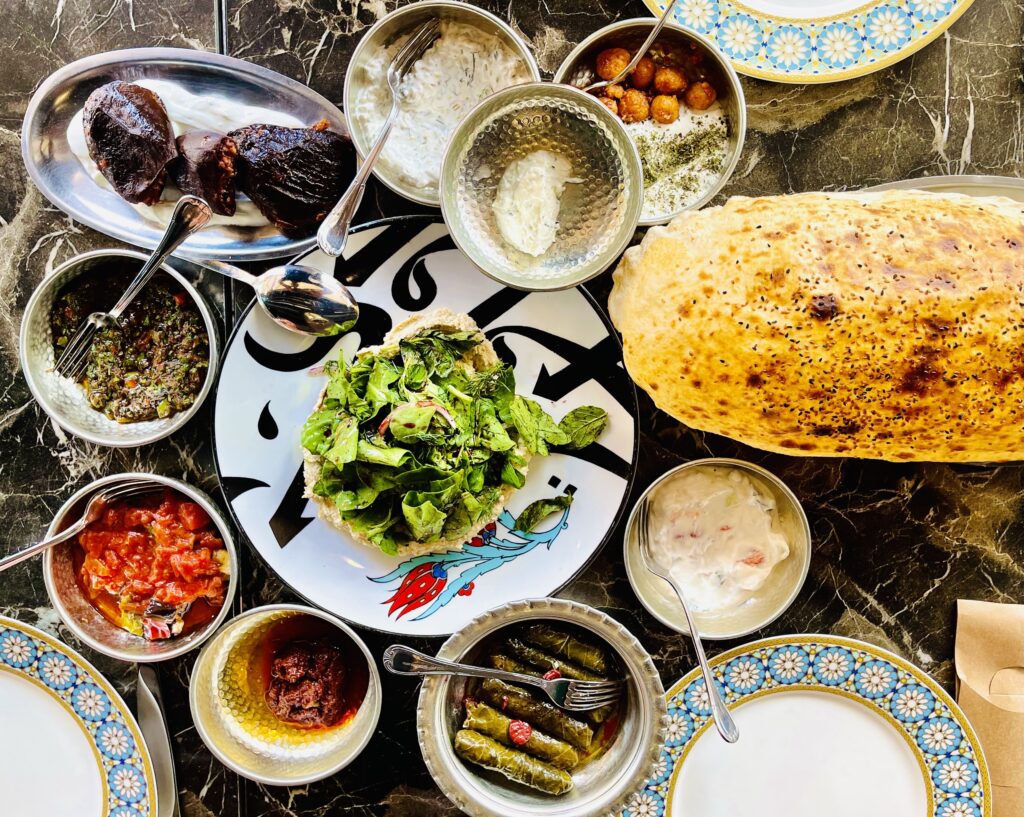
After exchanging our cook books, Yunus introduced us to Istanbul’s culinary heritage and changed my perspective on culinary heritage in general. Ancient recipes endure not only because someone writes them down, but also because people continue to research, prepare and pass them on. I discovered just how much research is needed to really understand the eating habits of a city or region. History, migration, agriculture and geography all play a part in determining what ends up on the table.
This year I was invited to attend the Istanbul Tourism Fair 2026, a great opportunity to expand my network and extend my stay to explore Istanbul deeper. I already had decided to make this extraordinary metropolis the starting point for a long-held ambition: a new series of books on international culinary heritage. So this time, I had drawn up an itinerary designed to give me a better understanding of where one can still taste Istanbul’s culinary history on a daily basis.
Where history comes to the table
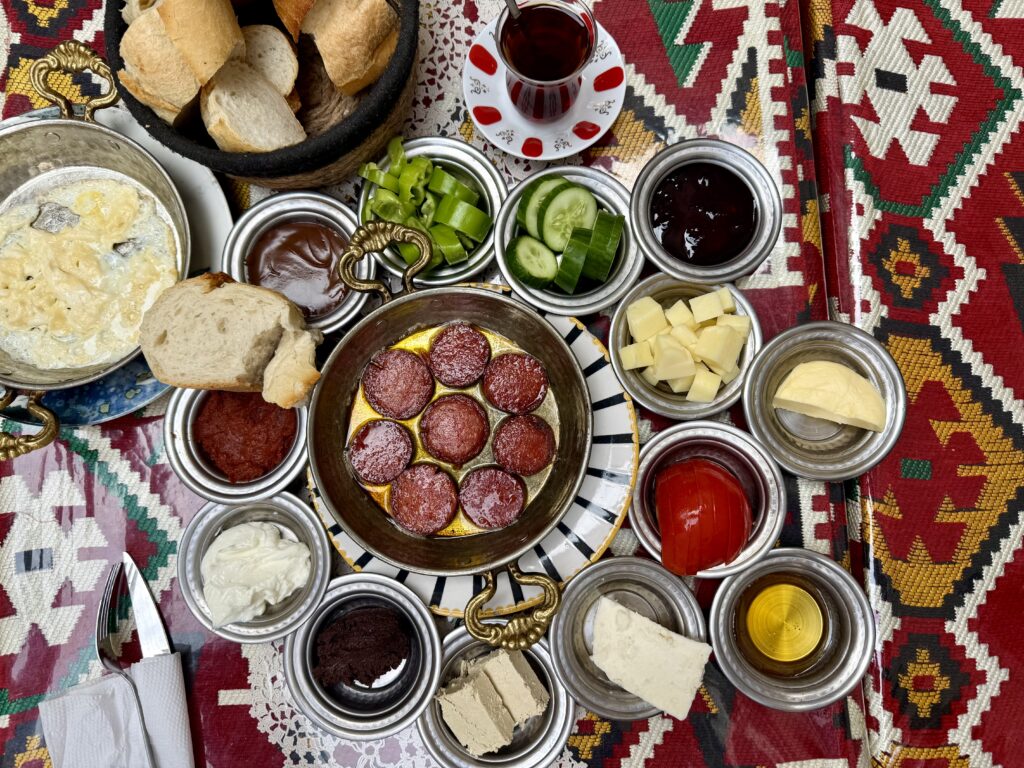
I learned that kahvaltı, Turkish breakfast, is much more than an important meal. My breakfast near the Spice Bazaar offered a tasteful introduction to the city. Cheese, olives, honey, thick kaymak cream, bread and plenty of tea filled the table. Each ingredient connected this Istanbul morning to a different landscape, producer or regional tradition. There was a whole journey waiting inside that breakfast. Following those connections became the real pleasure of this visit.
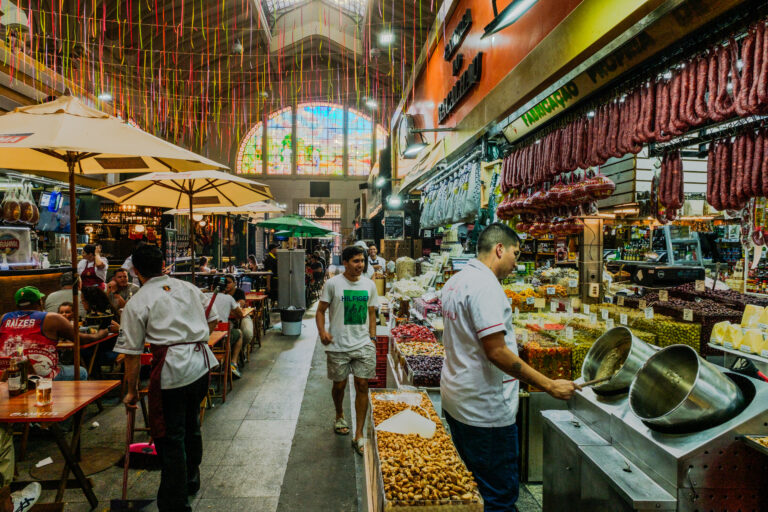
Across the water in Kadıköy, I wandered through market streets lined with fish, cheeses, pickles and strings of dried aubergines and peppers. Taking the ferry there is a pleasure in itself, with Istanbul’s skyline stretching behind you. Once ashore, the market brings the enormous variety of Anatolia within walking distance. Looking closely at what people buy for their kitchens reveals another side of the city.
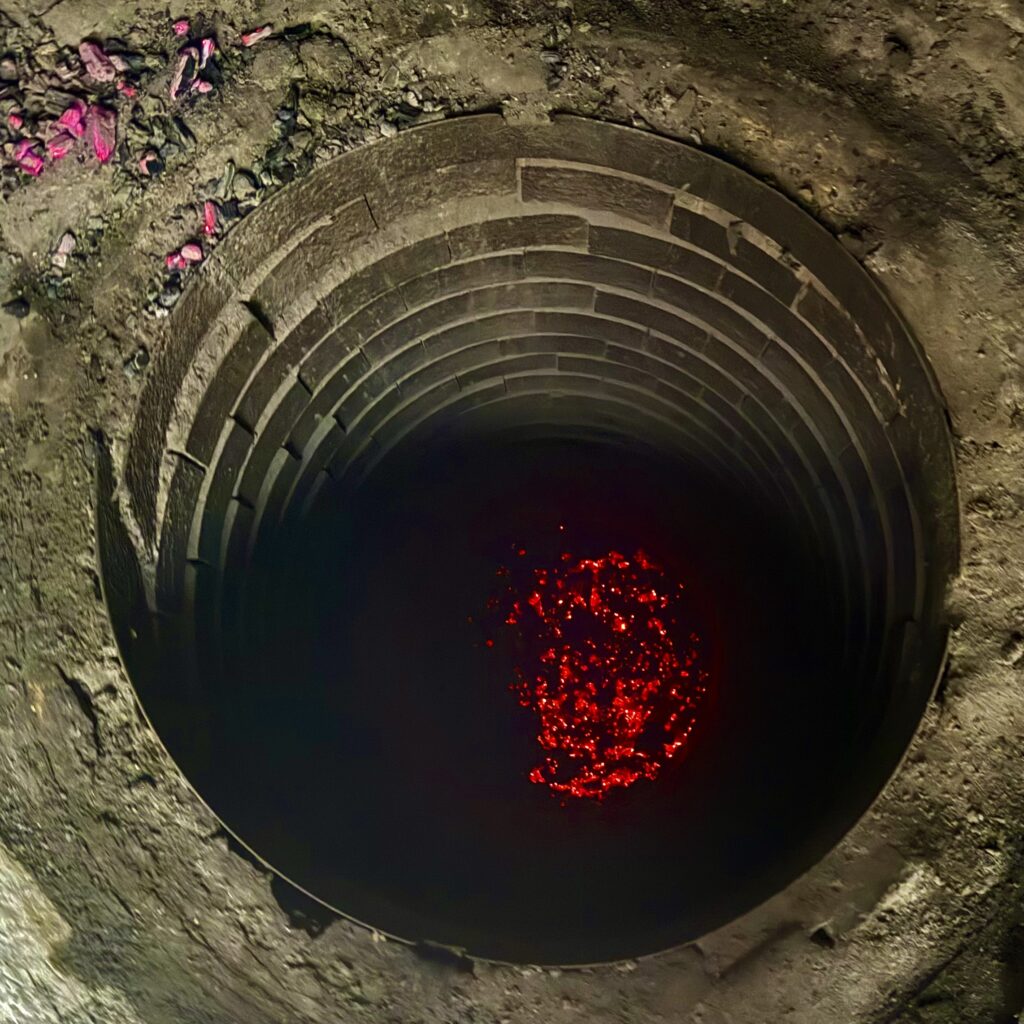
In Fatih, that story came together over a plate of büryan at Uğur Büryan. Meat cooked in a deep pit oven arrived on tırnak pide bread, accompanied by shepherd’s salad and ayran, the refreshing yoghurt drink. This cooking tradition has roots in Siirt and Bitlis. People brought their knowledge to Istanbul, built ovens and opened restaurants. A regional speciality found a second home.
These encounters helped me see Istanbul as a living museum of culinary heritage. Its history continues in working kitchens, market stalls and neighbourhood bakeries. Ottoman palace cooking, the traditions of different communities and the regional flavours brought by migration all contribute to what the city eats today. Cooks keep that inheritance alive whenever they prepare, adapt and pass on a dish.
For travellers, this opens up a wonderfully rewarding way to explore. Walk through a market before choosing lunch. Ask where a dish comes from, and leave time for the answer. Even a familiar pastry or a simple bowl of beans can lead you into an unexpected story.
This journey also forms the foundation of my forthcoming book, Istanbul, a living museum of culinary heritage. It will launch the new series Destination: International Culinary Heritage, both in English and Dutch. Combining historical context, culinary routes and recipes, the book invites readers to understand the city through its food—and continue exploring by cooking back home. Expected release date: December 2026. Just let me know if you would like to be informed!
For now, join me through the photo gallery below. I hope it leaves you curious, hungry and ready to discover Istanbul for yourself.